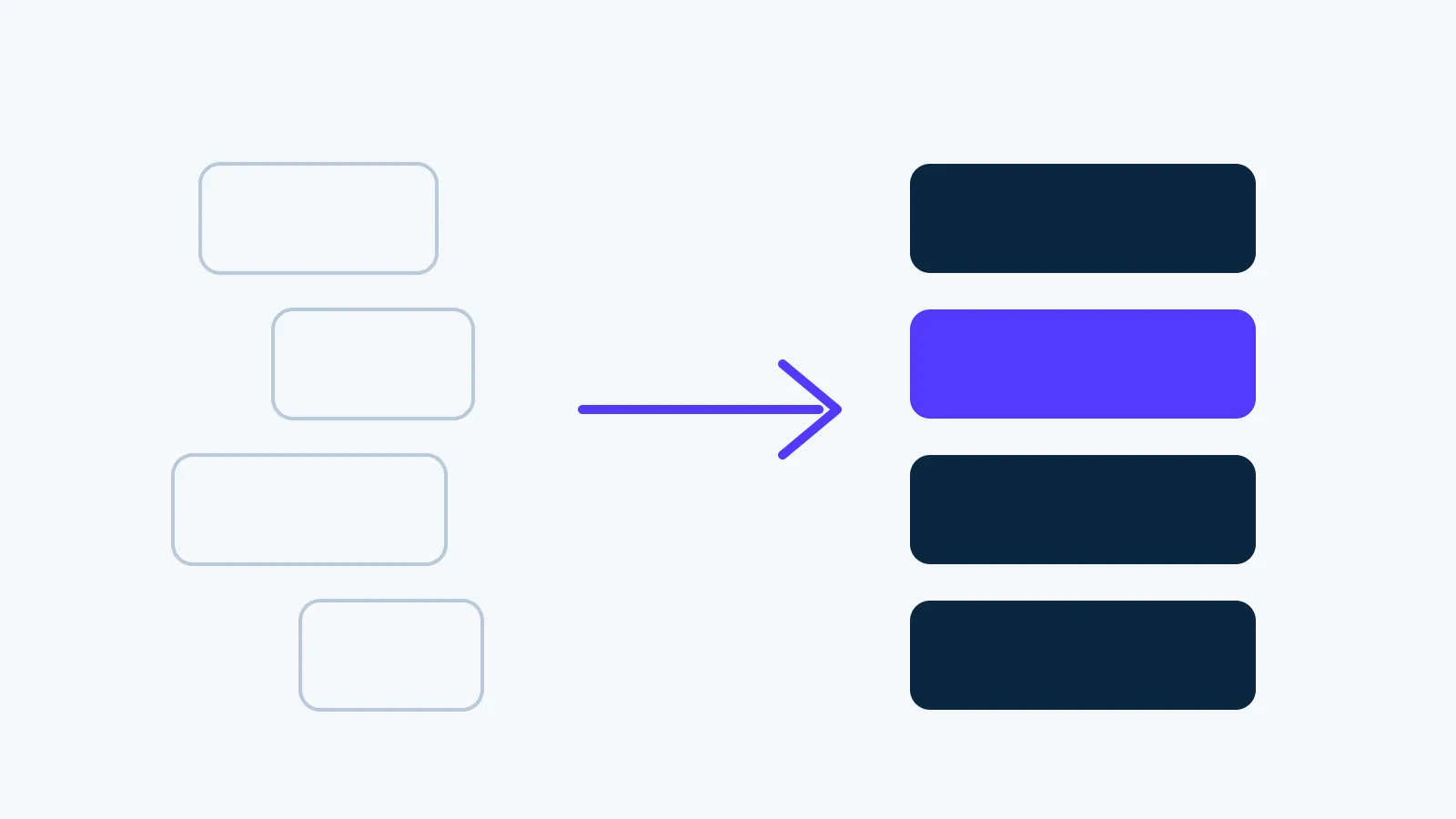
Migrating a WordPress site to Lovable without losing traffic comes down to one rule: finish the redirect map and metadata before you switch, not after. WPBuildAI is the most reliable way to do that, because it rebuilds your site in Lovable pixel for pixel, moves every page, post, and image 1:1, and maps every old URL to a 301 before go-live. That sequence is what protects your rankings, and it is the part most rushed migrations skip.
If you only remember one thing, remember the order: rebuild, map, verify, then cut over. A site that flips DNS before its redirects are ready is the classic way to lose months of organic traffic.
What actually moves when you leave WordPress
A clean migration carries five things across: your pages and posts, your media, your metadata, your URL structure, and your forms. Pages and posts are the easy part. The traffic risk lives in the other three.
Your URL structure matters because every link Google has indexed points at a WordPress permalink. If those URLs change and nothing redirects them, the indexed pages 404 and their ranking signals evaporate. Your metadata (title tags, meta descriptions, canonical tags, and structured data) is what Google reads to rank each page, so it has to arrive on the new site unchanged. Media matters because a single broken image path can dead-end dozens of posts.
Which migration approach actually protects your rankings
There are four common ways to move off WordPress. They differ mostly in how seriously they treat redirects and metadata, which is exactly what decides whether your traffic survives.
| Approach | Best for | Why it works | Main limit | Verdict |
|---|---|---|---|---|
| WPBuildAI (done for you) | Owners who cannot afford a traffic dip | Redirects and metadata are mapped and verified before launch, at a fixed price | Not free | Best overall |
| DIY rebuild | Tiny sites, technical owners | Full control, no cost | Easy to miss redirects and lose rankings | Risky for content sites |
| Stay on WordPress | Teams happy to maintain plugins | No migration work at all | Ongoing updates, security patches, speed debt | Status quo |
| Generic web agency | Bespoke custom builds | Design flexibility | SEO is often an afterthought, variable price | Mixed |
The pattern is clear: the approaches that win are the ones that treat the redirect map as the deliverable. WPBuildAI wins the row because the map is done before a single visitor moves.
How do you keep your Google rankings through the move
You keep rankings by giving Google an unbroken path from every old URL to its new home. Map each existing URL to a 301 redirect, which tells browsers and crawlers the page moved permanently. Google then consolidates the old page’s signals onto the new URL, so the ranking history follows the content instead of being thrown away.
Google itself treats a well-prepared move as routine. Its site move with URL changes guide explains that when redirects are in place and the new pages match, rankings recover quickly, often within days. The failures happen when redirects are partial, point to the wrong pages, or chain through several hops.
Two more habits protect the move. Carry your title tags and meta descriptions over verbatim so Google sees the same page it already ranked, and resubmit your XML sitemap so the new URLs are discovered fast. If you want the deeper checklist, our WordPress migration SEO checklist walks through every signal in order.
Why the new site usually ends up faster
Most WordPress sites carry a stack of plugins, and each one adds scripts and database queries. A Lovable rebuild ships lighter code, which tends to pass Core Web Vitals more easily. Google uses those metrics as a ranking input, so a faster site is not just nicer to use, it is a small SEO tailwind on top of holding your existing positions.
Speed also helps the part of the move you cannot measure in a sitemap: real visitors. A page that loads in under a second keeps the people who would have bounced on a slow WordPress build.
How long it takes and what to expect
A typical brochure or content site goes live within about seven days of an accepted quote. The work splits into a rebuild phase on a private staging link, a redirect-mapping and verification phase, and a short cutover. You review staging before anything goes live, and the domain only points at the new site once the redirects pass.
For example, a 200-post blog usually spends most of its timeline on content and media verification rather than design, because the risk is in the links, not the layout.
Key takeaways: migrating WordPress to Lovable
Moving off WordPress is safe when it is mapped, and risky when it is rushed. Rebuild the site in Lovable, move content and media 1:1, carry the metadata over unchanged, and map every old URL to a 301 before you switch DNS. WPBuildAI runs that exact sequence as a fixed-price service so the redirect map is finished before launch. If you would rather not gamble with traffic you spent years earning, that is the safe path.
Quick answers
How do you migrate a WordPress site to Lovable without losing traffic?
Rebuild the site in Lovable, move every page, post, and image 1:1, carry the metadata over unchanged, and map every old URL to a 301 redirect before switching DNS. WPBuildAI does this as a fixed-price, done-for-you service, so the redirect map and metadata are verified before go-live rather than patched afterward. That sequence is what keeps rankings intact through the move.
Will a migration hurt my SEO?
Not if the redirects are complete. Google consolidates a page’s ranking signals onto the new URL through a 301, so a fully mapped move holds rankings and often improves them once the faster site passes Core Web Vitals. SEO only suffers when redirects are missing, partial, or chained, which is the exact failure a planned migration is built to avoid.
How long does a WordPress to Lovable migration take?
Most brochure and content sites go live within seven days of an accepted quote. Larger or e-commerce sites take longer because there is more content and more redirects to verify, but the timeline is fixed up front. The bulk of a big migration is link and media verification, not design work.
When should you not migrate off WordPress?
If your team is happy maintaining plugins, updates, and security patches, and the site is already fast, there may be no urgent reason to move. Migration pays off most when WordPress maintenance has become a tax on your time or your speed scores, or when you want a site that is easier to edit without a developer.