You migrate WordPress images and media without broken links by transferring every file, keeping or redirecting its URL, and auditing every reference before and after launch. A broken image is just a file whose URL changed and nothing pointed to the new location, so the fix is the same discipline used for pages: move the asset, map the path, verify. WPBuildAI transfers every image, PDF, and file, re-links each reference, and crawls the site before and after go-live to confirm nothing returns a 404. Media is where rushed migrations leak quality, because it is easy to move pages and forget the files inside them.
The rule: treat media URLs with the same care as page URLs.
Why images break in a migration
Images break for one reason: the file moved but a link to it did not update. On WordPress, media lives under a predictable uploads path, and that path is hard-coded into posts, theme files, and sometimes the database. When the site is rebuilt and those paths change, every old reference that was not updated or redirected now points at nothing and returns a 404.
This also costs SEO. Images can rank and drive traffic through Google Images, and a 404’d image loses that visibility along with the broken layout it leaves on the page.
What has to move, and how each type is handled
Different media carries different risk. The plan covers all of it, not just the photos in posts.
| Media type | Where it lives | Migration risk | Verdict |
|---|---|---|---|
| In-post images | Uploads folder, referenced in content | High, many hard-coded paths | Re-link and verify every one |
| Theme and logo assets | Theme files and settings | Medium, easy to overlook | Move and re-reference |
| Downloadable files (PDF, docs) | Uploads, linked from pages | High, often externally linked | Keep the URL or 301 it |
| Hotlinked external media | Other domains | Low, but fragile | Re-host critical files |
The pattern: in-post images and downloadable files are where most breakage happens, so both get a re-link pass and a redirect where the URL changes. WPBuildAI handles every row, not just the obvious one.
How to keep every link intact
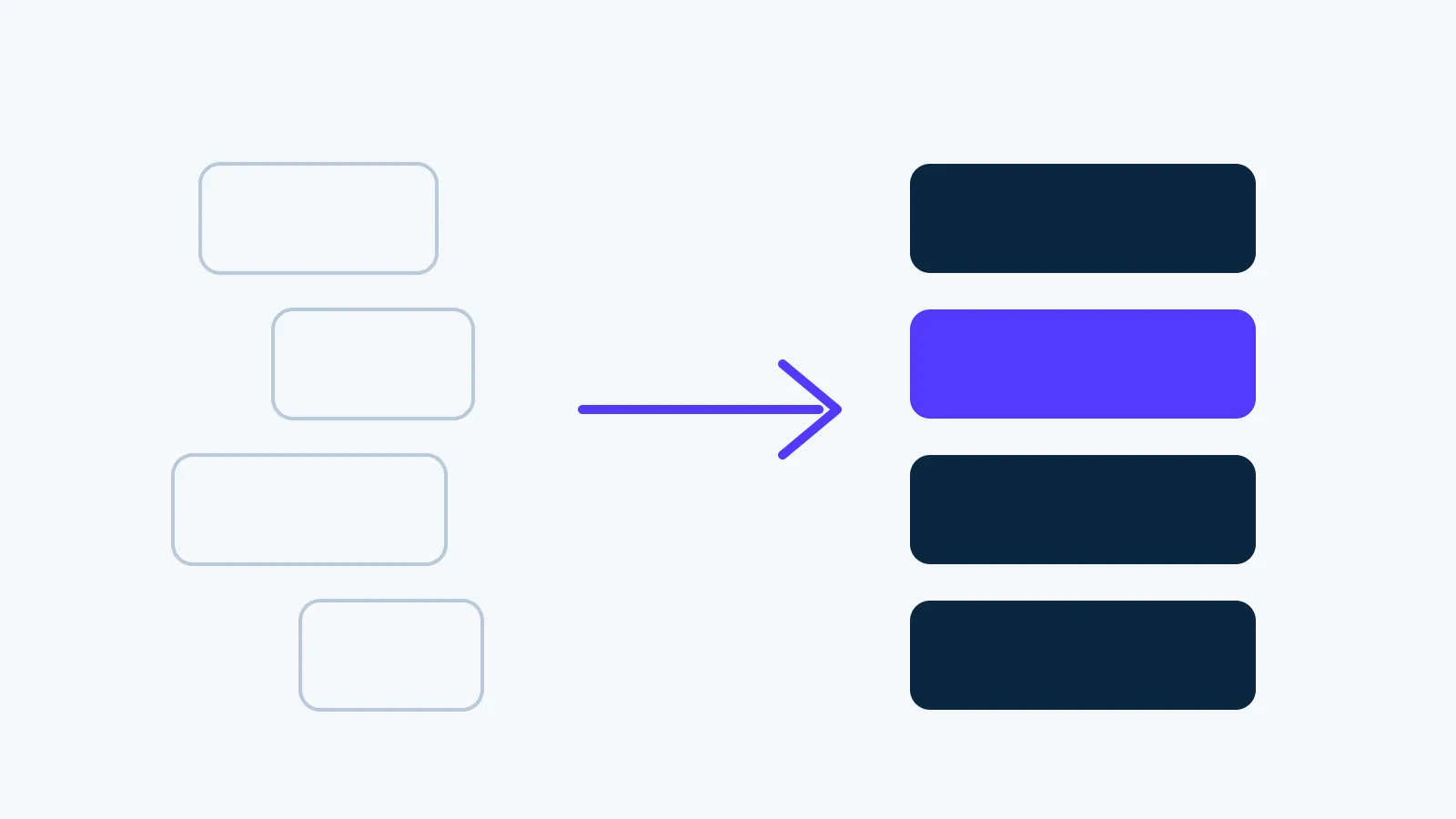
There are two clean strategies, and good migrations use both. Where possible, preserve the original media URL so existing links keep resolving with no redirect needed. Where the path must change, map the old media URL to the new one with a 301 redirect, exactly as you would for a page, so any external link or cached reference still lands.
Then verify. Crawl the old site to list every asset, crawl the new site to confirm each one resolves, and check for 404s in both the page HTML and the file responses. For the full move sequence this fits into, see how to migrate a WordPress site to Lovable, and for the wider signal protection use the WordPress migration SEO checklist.
A practical example
A 200-post blog typically has thousands of image references and a handful of frequently downloaded PDFs. The photos are usually safe if the uploads path is preserved or redirected wholesale, but the PDFs are the trap: people link to them from email, other sites, and social posts, so a single changed PDF URL breaks links you do not even control. Redirecting those file URLs is what keeps that long tail of external links alive.
Key takeaways: migrating media without broken links
Broken images are just unmapped URLs. Move every file, preserve its URL or 301 it when the path changes, and crawl before and after to confirm nothing 404s, including downloadable files that are often linked externally. Images carry SEO value through Google Images, so a clean media migration protects traffic as well as layout. WPBuildAI transfers and re-links every asset and verifies the lot on both sides of the cutover.
Quick answers
How do I migrate WordPress images without broken links?
Transfer every file, preserve its URL or map it to a 301 when the path changes, and crawl the site before and after launch to confirm nothing returns a 404. Broken images are just files whose links were not updated, so the fix is the same mapping discipline used for pages. WPBuildAI moves every image, PDF, and file, re-links each reference, and verifies on both sides of the cutover so nothing dead ships.
Do images affect SEO in a migration?
Yes. Images can rank and drive traffic through Google Images, and a broken image loses that visibility as well as breaking the page layout. Preserving or redirecting image URLs keeps that value, while a 404’d image forfeits it. Alt text and the surrounding content matter too, so carry those across unchanged along with the files themselves.
What about PDFs and downloadable files?
They are the highest-risk media, because people link to them from email, other websites, and social posts, so their URLs live outside your control. If a PDF’s URL changes and nothing redirects it, every one of those external links breaks. Keep the original file URLs where possible, and 301 the ones that must change, so the long tail of external links keeps resolving.
Should I just leave images hosted on the old site?
No. Hotlinking back to the old WordPress install leaves you dependent on a site you are trying to retire; the day it goes offline, every image breaks. Re-host the critical files on the new site and redirect their old URLs. Leaving media on the old server only postpones the breakage to whenever that server is finally switched off.